Resource
Indigenous Sovereignty & Enbridge’s Expansion Plans
For generations, Indigenous communities have fought to protect their lands and waters from corporate exploitation.

Line 5 Pipeline

Line 5 is yet another example of fossil fuel infrastructure violating Indigenous sovereignty and threatening cultural traditions.
- Built Without Consent: In 1953, Michigan granted Enbridge an easement to build Line 5 in the Straits of Mackinac, violating existing Anishinaabe treaties and threatening a sacred fishing ground.
- Trespassing on Tribal Land: As Line 5 snakes through Wisconsin, it crosses the Bad River Band of Lake Superior Chippewa’s land. The tribe has rejected the pipeline and is suing Enbridge for trespassing in a federal lawsuit.
- Man Camps & Violence Against Indigenous Women: Temporary “man camps” built near pipeline projects have been linked to increased rates of sexual violence, trafficking, and disappearances of Indigenous women and children.
- Enbridge’s Expansion Plans: Instead of shutting it down, Enbridge is seeking a reroute in Wisconsin and an underground oil tunnel in Michigan, prolonging the risks for up to 99 more years.
Not Just a Resource
For Indigenous communities, land is more than just a resource. It is life, identity, and spirituality. The Line 5 pipeline and proposed tunnel not only threaten the Great Lakes but also deepen historical injustices.
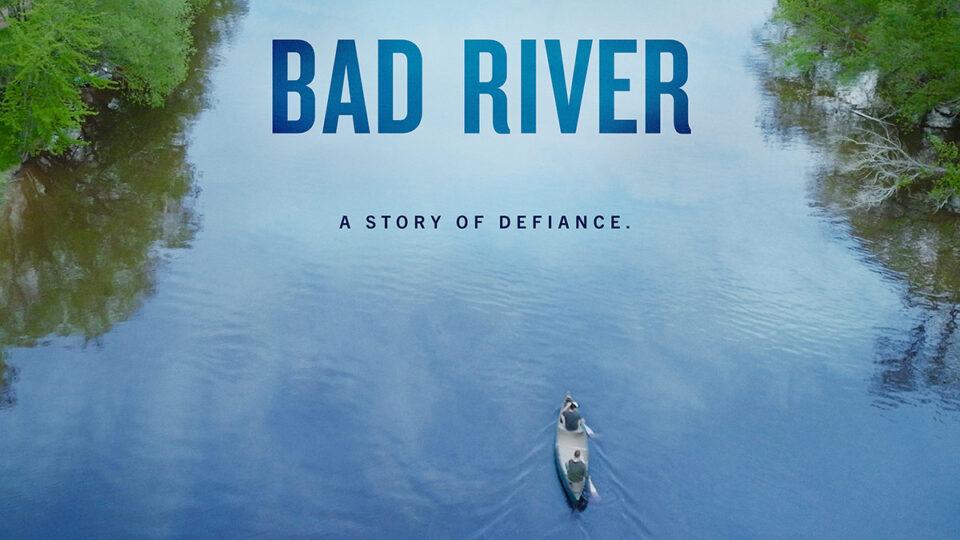
Learn More: You can go here to learn more about the impact on Indigenous communities. You can also watch the documentary “Bad River,” which highlights how the Bad River Band is fighting Line 5. Stream on Peacock or visit the website here.